Twenty years ago, fashion was not built for the faint of heart. When I stepped onto the scene, fear, anxiety and a certain strategic cruelty were considered useful tools to produce good work. There was a cloaked underbelly to excellence and no one asked about your feelings on the road to achieving it. In fact, some of the meanest (however brilliant) creative leaders of that time were unapologetic about it. And yet today, it seems like everyone who’s anyone has at least three public apologies under their belt. What changed?
Over the last several years, fashion — and the people who run it—seems to have collectively checked in with its feelings. Therapy, meditation, gentle parenting: they're trying them all. Empathy isn't just encouraged, it's the latest trend. But is the mean girl really gone or has she simply learned to wield empathy and carefully curated vulnerability as the newest tools of persuasion and power?
What started as an introspection has metastasized into therapy speak, forced public accountability and a constant performance of “holding space.” The industry polices itself through carefully worded statements, staged outrage and even a demand for empathy on cue in some cases. This can’t be the so-called altruism we had hoped for.
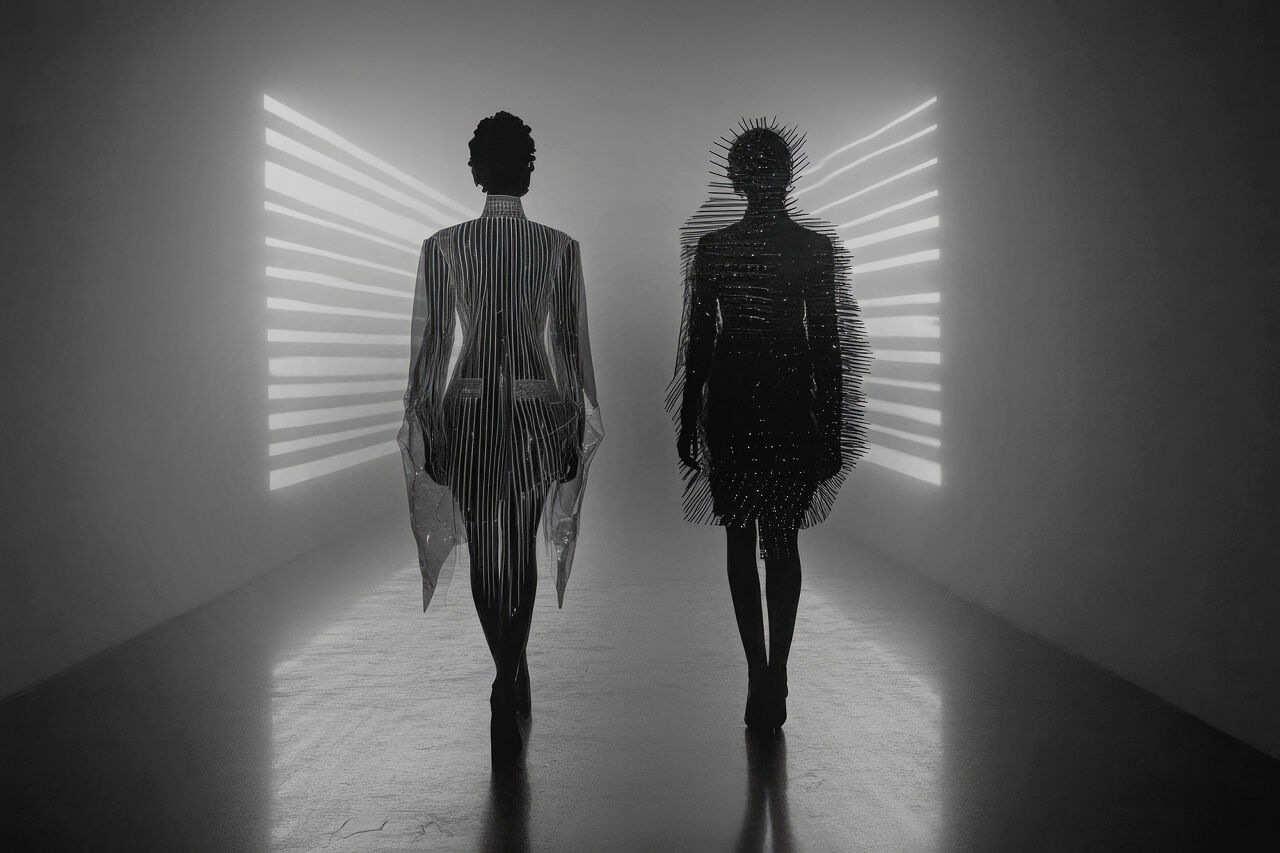
After all, the fashion industry is still brimming with ambition, ego, hierarchy, gatekeepers and exclusion. The pressure to be accepted, influential and at the top of your game hasn’t changed and I’m hard pressed to believe that the high-virtue culture that we’re living in has eclipsed the desire for power.
Yet, I still have faith in the pure-hearted. The real question isn’t whether kindness belongs in fashion (spoiler: it does.), but whether it can exist without becoming the latest currency. Empathy doesn’t need to be transactional to be real. At its best, it’s practiced quietly, consistently and without an audience. After all, character isn’t what we publish — it’s how we move when no one is watching.